
Natural Fibers, Sustainable Future
At ARADOS, sustainability is woven into everything we do. From Canadian wool’s natural biodegradability to ethical manufacturing partnerships, we’re committed to responsible textile trade that respects our planet, supports communities, and delivers quality products our customers can trust.

Ethical Canadian Wool Production
100%
Natural, biodegradable fibers that return to the earth. Canadian wool and cotton are renewable resources that decompose naturally, unlike synthetic alternatives that persist in landfills and oceans for centuries.

Biodegradable & Renewable
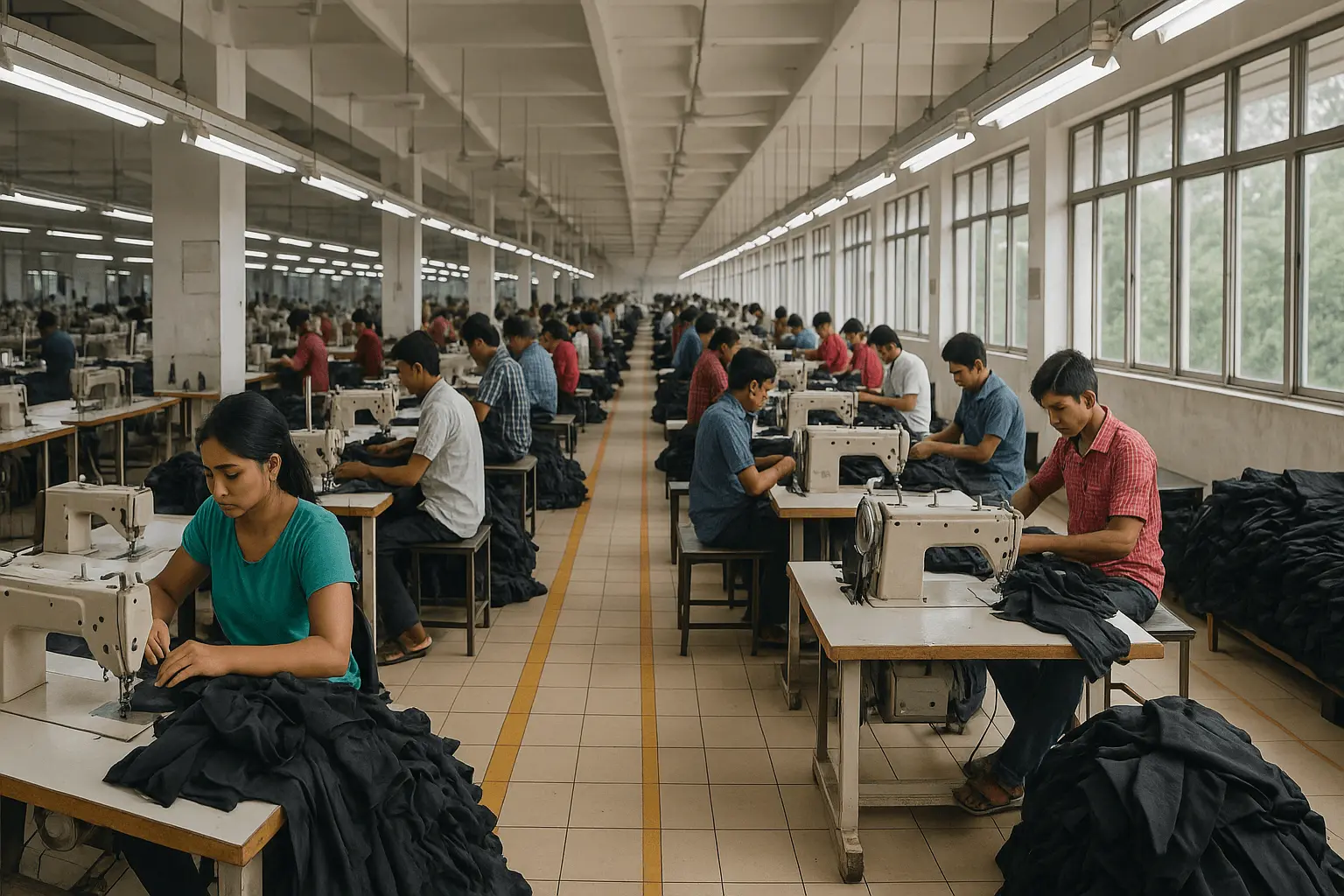
Responsible Manufacturing Partners
Natural Fibers Offer Environmental Advantages Over Synthetic Alternatives
Biodegradable & Renewable
Lower Carbon Footprint
Healthier for People & Planet
Our Impact in Numbers
0
Years of Ethical Sourcing Partnerships
0
Microplastic Pollution from Our Products
2
Natural, Biodegradable Fibers
0
Traceability from Farm to Customer
Canadian Wool: A Model of Sustainable Production
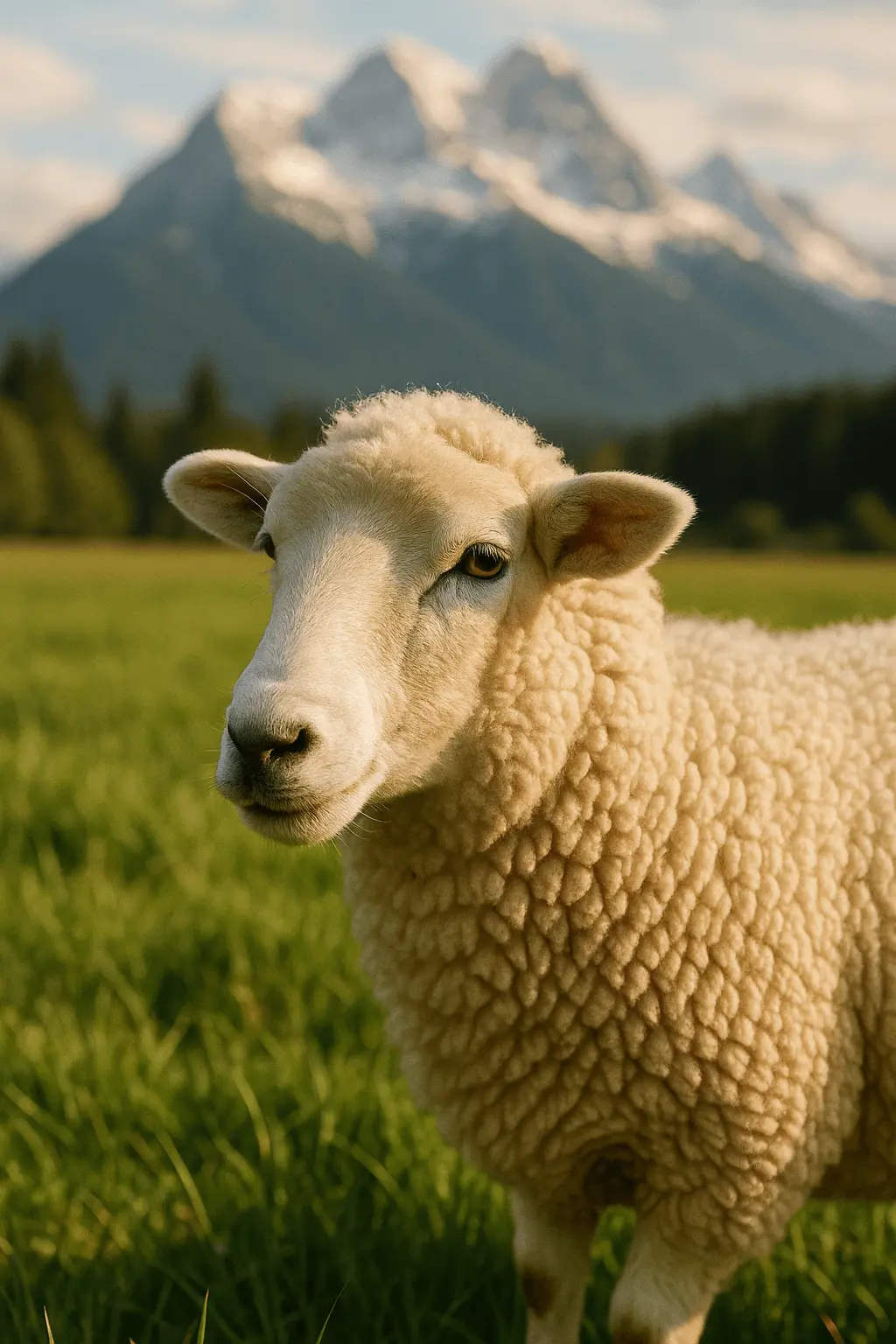
Ethical Animal Welfare Standards
Canadian sheep farming adheres to strict animal welfare standards that prioritize the health, safety, and humane treatment of animals. Unlike some wool-producing regions, Canadian farms do not practice mulesing (surgical removal of skin), ensuring ethical production methods. Sheep graze on natural pastures, contributing to grassland ecosystem health while producing premium wool in humane conditions.
Environmental Stewardship & Land Management
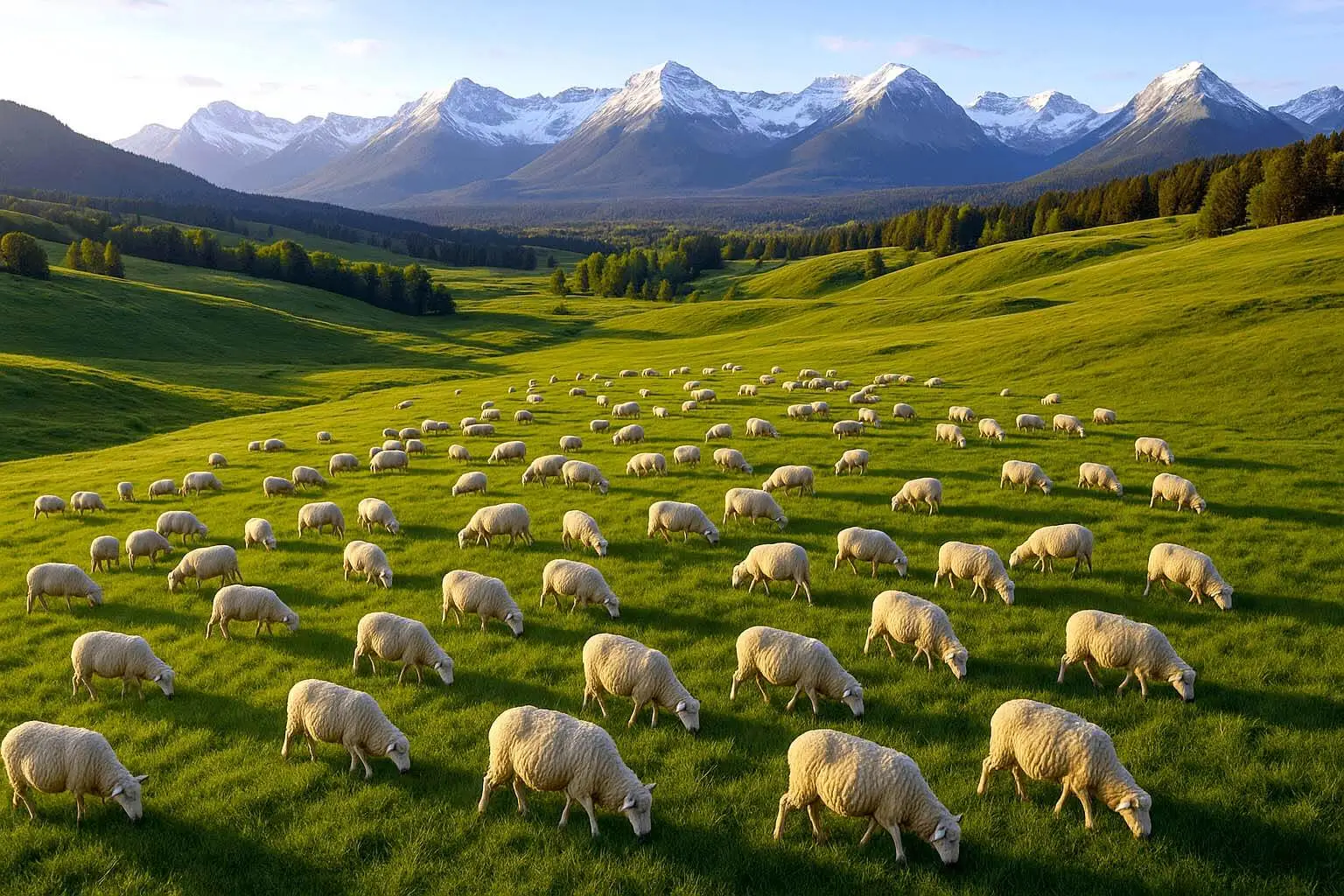
Canadian wool production supports sustainable land management and ecosystem health. Sheep grazing maintains grassland ecosystems, prevents wildfires, controls invasive species, and supports biodiversity. Wool is a renewable resource that grows annually, requires no petroleum inputs, and biodegrades naturally. Canadian farms employ responsible grazing practices that protect soil health, water quality, and wildlife habitats.

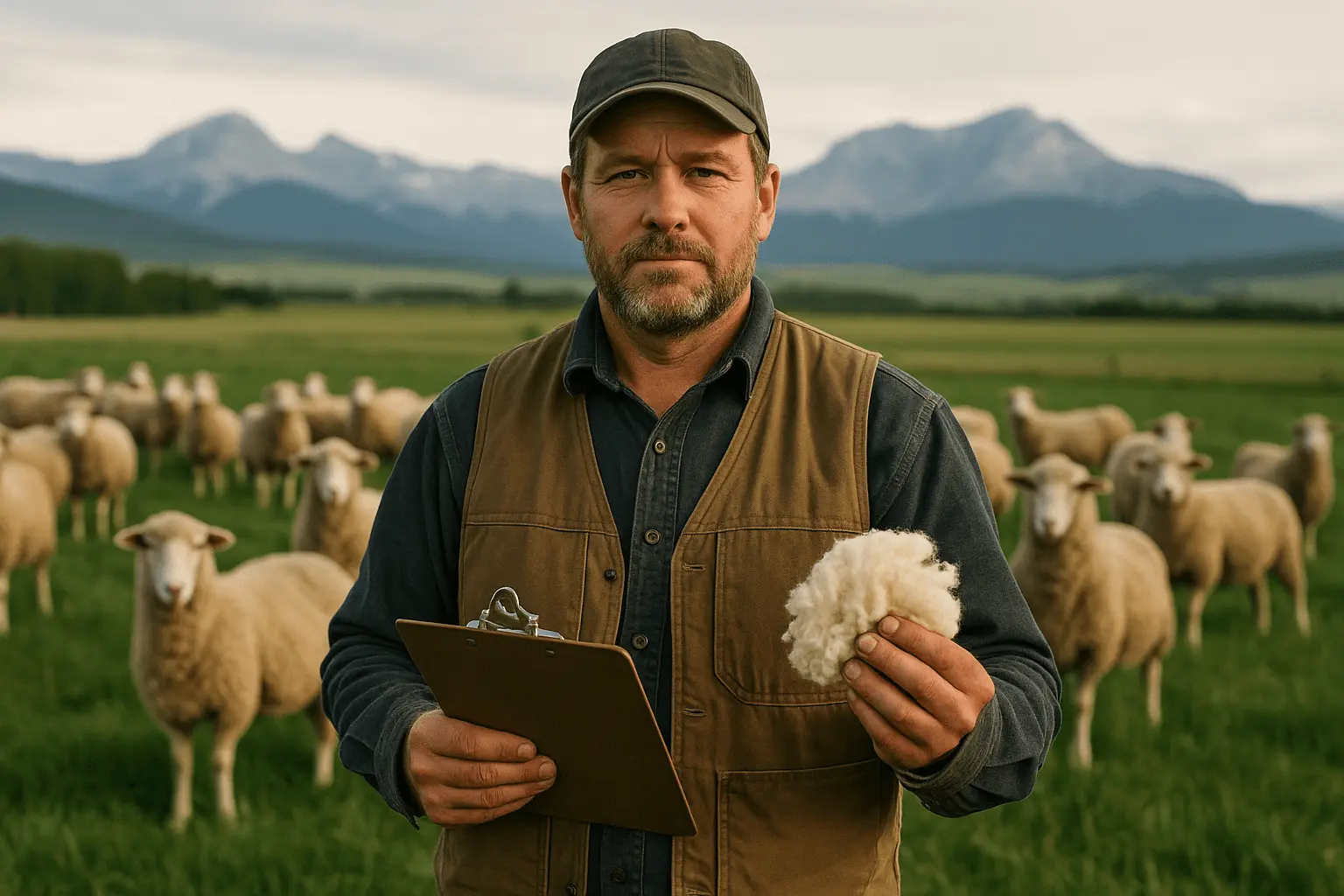
Clean Production & Minimal Processing
Wool production requires significantly less energy and chemical processing than synthetic fiber manufacturing. Canadian wool is naturally clean, reducing scouring requirements. No petroleum-based raw materials are needed, eliminating the environmental impact of fossil fuel extraction and processing. The entire production chain, from shearing to export, maintains low environmental impact while delivering premium natural fiber.
Responsible Garment Manufacturing Partnerships
Ethical Factory Standards & Compliance
We partner exclusively with manufacturers that meet international ethical labor and environmental standards. Our factory vetting process includes verification of compliance certifications such as WRAP (Worldwide Responsible Accredited Production), BSCI (Business Social Compliance Initiative), SA8000 (Social Accountability), and other recognized standards. We conduct regular audits to ensure ongoing compliance with fair labor practices, safe working conditions, and environmental regulations.
Environmental Management & Waste Reduction
Our manufacturing partners implement environmental management systems that minimize water consumption, reduce chemical usage, manage wastewater treatment, and control air emissions. Factories employ energy-efficient equipment, waste reduction programs, and recycling initiatives. We prioritize partners with environmental certifications such as Oeko-Tex, GOTS (Global Organic Textile Standard), and ISO 14001 environmental management standards.
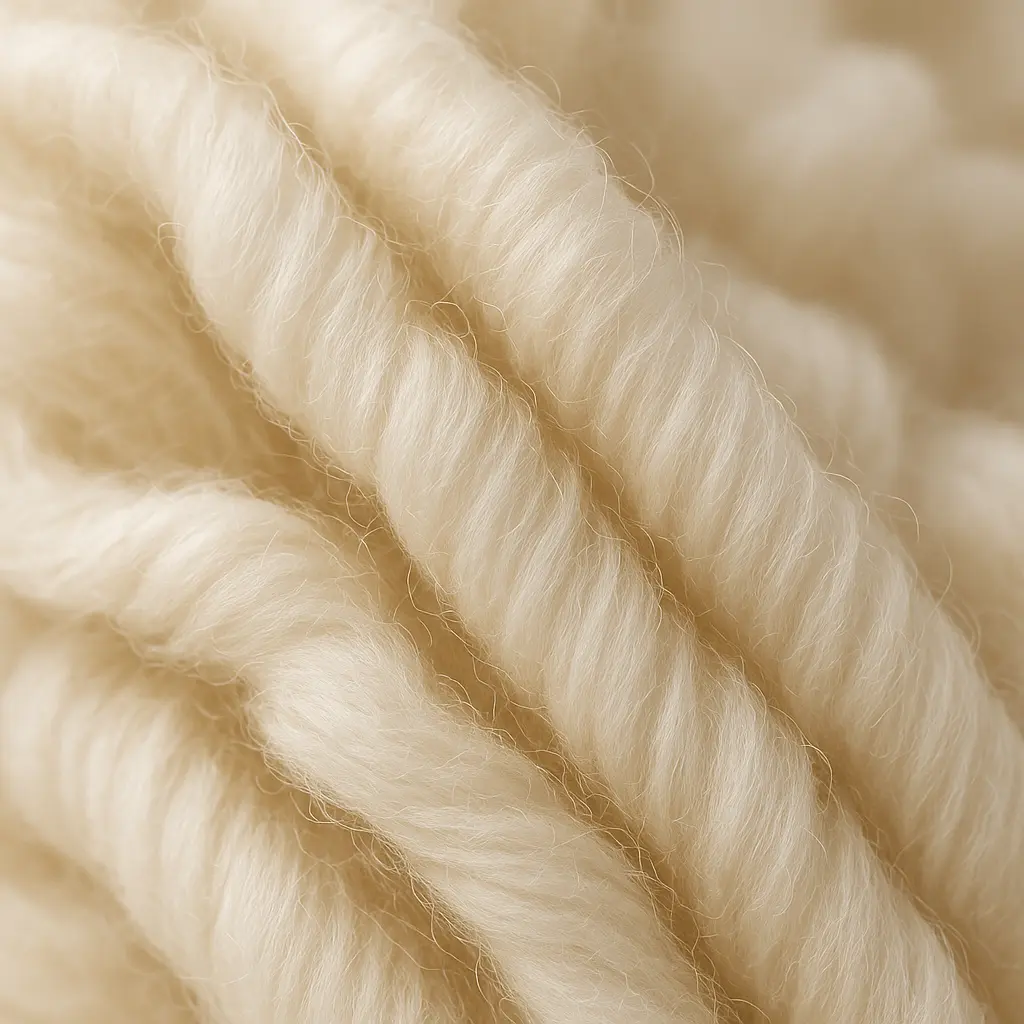
Sustainable Cotton & Material Options
We offer sustainable cotton options including organic cotton (GOTS certified), Better Cotton Initiative (BCI) cotton, and recycled cotton blends. Organic cotton is grown without synthetic pesticides or fertilizers, reducing environmental impact and supporting farmer health. BCI cotton promotes sustainable farming practices including water efficiency, soil health, and biodiversity. We work with customers to source materials that align with their sustainability goals.
Our Commitments to Sustainable Textile Trade
Sustainability is not just a marketing message for ARADOS—it’s a fundamental business principle that guides our decisions, partnerships, and operations. We are committed to continuous improvement in environmental stewardship, ethical practices, and transparency throughout our supply chain.
Environmental Commitments:
Environmental Stewardship
Environmental Stewardship
Social Commitments:
Ethical & Social Responsibility
Ethical & Social Responsibility
Certifications and Standards We Support
We work with certified partners and adhere to internationally recognized standards that verify environmental and ethical practices throughout the textile supply chain.
These certifications represent third-party verification of environmental management, ethical labor practices, chemical safety, and sustainable production methods. By partnering with certified suppliers and manufacturers, we ensure our products meet rigorous international standards for sustainability and social responsibility.
Sustainable Packaging and Logistics PracticesWe minimize environmental impact in packaging and logistics through thoughtful material selection, efficient container loading, and optimized shipping routes. Wool bales are wrapped in reusable or recyclable materials with moisture protection. Garments are packaged in recyclable polybags and cartons. We consolidate shipments to maximize container efficiency and reduce transportation emissions.
Packaging
- Recyclable and reusable packaging materials
- Minimal plastic use where possible
- Biodegradable packing materials when available
- Efficient packaging design to reduce waste
- Clear recycling instructions for customers
- Exploration of innovative sustainable packaging
Logistics
- Optimized container loading for efficiency
- Ocean freight (lower emissions than air freight)
- Consolidated shipments to reduce trips
- Carbon-efficient routing when possible
- Documentation digitization to reduce paper
- Partnership with environmentally conscious carriers
Complete Transparency from Farm to Customer
Transparency is essential to sustainability. We provide complete traceability for our Canadian wool products, documenting the journey from specific farms through processing, testing, and export. For garment imports, we maintain detailed records of manufacturing facilities, compliance certifications, and quality inspections. This transparency allows our customers to make informed decisions and verify the sustainability claims of their products.


Our Journey Toward Greater Sustainability
Sustainability is an ongoing journey, not a destination. We recognize that there is always room for improvement, and we are committed to continuously evaluating and enhancing our environmental and social practices. We stay informed about emerging sustainable technologies, materials, and methods in the textile industry, and we actively seek opportunities to reduce our environmental footprint while maintaining the quality and reliability our customers expect.
Partner with ARADOS for Sustainable Textile Solutions
Choose natural fibers and ethical manufacturing for your textile needs. Contact us to learn more about our sustainable products, request traceability documentation, discuss organic and sustainable material options, or explore how ARADOS can support your company’s sustainability goals.